
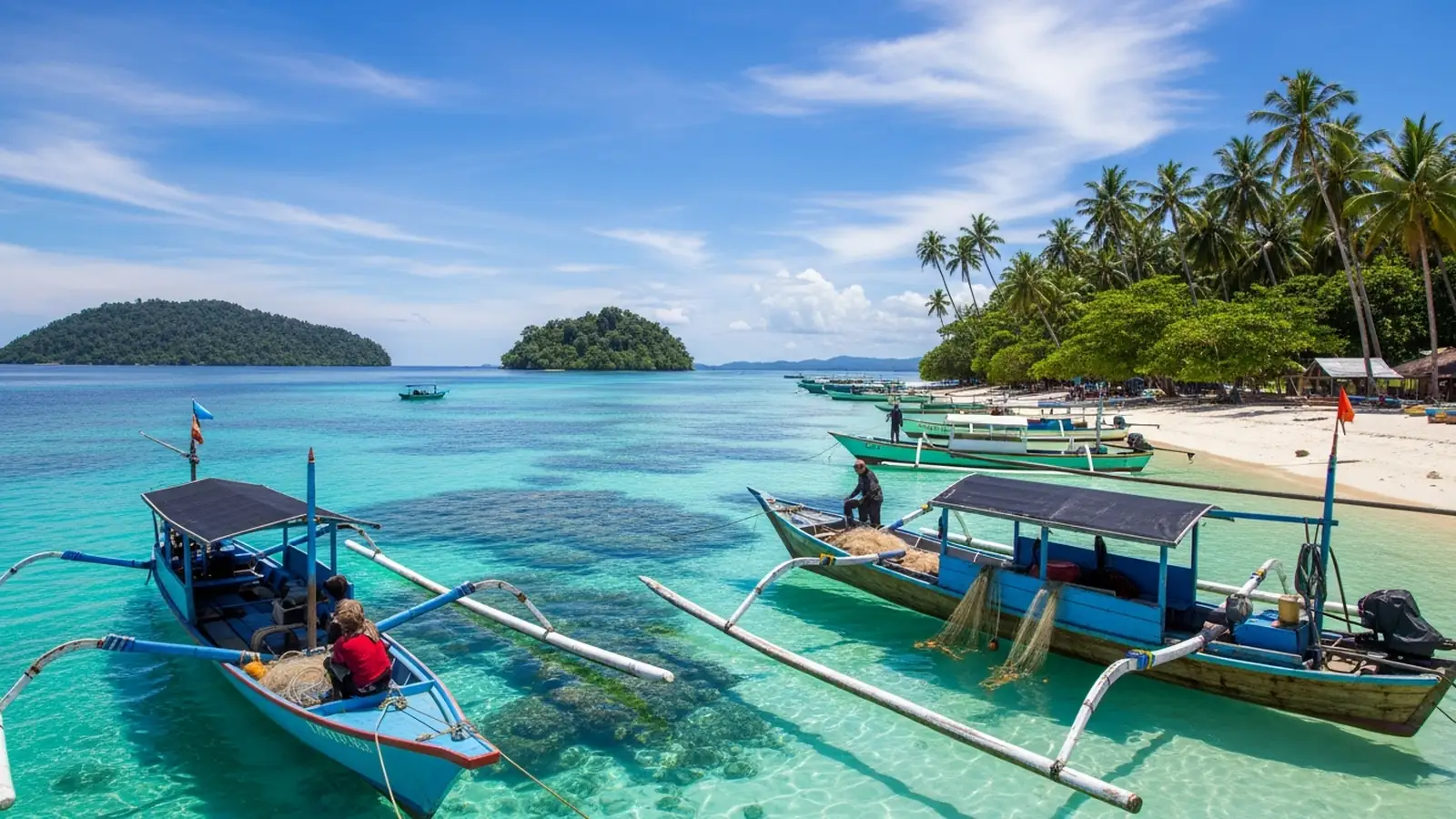
 Explore Derawan Islands
Discover the Ultimate Derawan Tour Package
Experience the beauty and adventure of the Derawan Islands with our expertly guided tours. From snorkeling with manta rays to exploring pristine beaches, let us guide you through an unforgettable journey.
Choose Your Adventure
Select the activities you're interested in and let us customize your tour package.
Explore the pristine beauty of the Derawan Islands with our expertly curated Derawan tour package. As an independent booking guide, we specialize in connecting you to the best experiences this remote marine destination has to offer. From swimming with stingless jellyfish to witnessing turtle nesting, our packages are designed for real travelers looking to immerse themselves in nature. Plan your unforgettable journey with us and discover the untouched allure of East Kalimantan’s marine wonders.
Derawan Islands: A Unique Marine Destination
The Derawan Islands, located in Berau Regency, East Kalimantan Province, Indonesia, are a captivating marine tourism destination. This archipelago is part of a marine protected area, highlighting its ecological importance. The islands are known for their diverse marine life, including rare species like green turtles, hawksbill turtles, and the elusive dugong. The core islands—Derawan, Maratua, Kakaban, and Sangalaki—offer a range of activities. Visitors can enjoy snorkeling, scuba diving, and island-hopping, with each island providing unique attractions. Kakaban Island, for example, features an inland marine lake where you can swim among stingless jellyfish, a rare and unforgettable experience. Sangalaki Island is renowned for its turtle nesting beaches and manta ray sightings. These natural wonders make the Derawan Islands a must-visit for any marine enthusiast.
Getting to the Derawan Islands
Accessing the Derawan Islands typically begins in Berau, also known as Tanjung Redeb. Berau Airport serves flights from major Indonesian cities, making it a convenient entry point. From the airport, travelers usually drive approximately 2.5 hours to Tanjung Batu Port. From there, a 30-minute speedboat ride takes you to Derawan Island. Alternatively, there is a direct public boat from Berau to Maratua Island, which takes about 3 hours. This option costs around IDR 250,000 per person, although prices can vary, especially for foreigners. It’s advisable to confirm current rates and schedules before traveling. The journey itself is part of the adventure, offering glimpses of the stunning landscapes and seascapes that await.
Accommodation Options
Accommodation in the Derawan Islands ranges from simple homestays to mid-range beach cottages and small resorts. Derawan Island, with its white sand beaches and coconut groves, offers basic cottages that provide a comfortable stay without the luxury price tag. Maratua Island features both homestays and resorts, catering to different budgets. While high-end luxury is limited, the charm of staying in these islands lies in their simplicity and closeness to nature. Budget travelers often find Maratua’s homestays the most economical choice, with prices generally lower than those in Bali or Raja Ampat. It’s important to book in advance, especially during peak seasons, to secure the best accommodation that suits your needs.
Signature Activities and Experiences
The Derawan tour package includes a variety of activities tailored for adventure and nature lovers. Snorkeling and scuba diving are top attractions, thanks to the colorful coral reefs and abundant marine life. Island-hopping tours allow you to explore the unique features of each island. On Kakaban Island, swimming with stingless jellyfish in its marine lake is a highlight. Sangalaki Island offers the chance to watch turtles nesting and spot manta rays feeding in the surrounding waters. Local fishermen offer full-day snorkeling trips to multiple islands, with private tours costing around IDR 1,500,000 for groups of 3-4 people. Join-in tours are available for about IDR 500,000 per person, providing a more social experience. These activities ensure a memorable and interactive exploration of the Derawan Islands.
Itinerary Options for Your Tour
Our Derawan tour packages typically span 3-4 days, starting and ending in Berau. A common itinerary might include arriving in Berau, traveling to Derawan Island for an overnight stay, and then embarking on a day trip to Maratua, Kakaban, and Sangalaki Islands. Activities such as turtle watching and manta ray spotting are often included. This schedule allows for a balanced mix of relaxation and exploration, giving you ample time to enjoy the natural beauty and wildlife of the islands. Custom itineraries are also available, allowing you to tailor your trip to your specific interests and time constraints.
Conservation and Environmental Considerations
The Derawan Islands’ status as a marine protected area underscores the need for conservation and responsible tourism. Activities such as fishing, diving, and boat operations are regulated under Indonesian conservation laws, although enforcement may vary. It’s essential to respect local guidelines to protect the fragile ecosystems and rare species found here. Turtle nesting sites, particularly on Sangalaki Island, are sensitive to disturbances from uncontrolled tourism and light pollution. Visitors are encouraged to minimize their impact by following best practices for sustainable travel. By doing so, you contribute to the preservation of these natural wonders for future generations.
Planning Your Visit: Practical Tips
When planning your visit to the Derawan Islands, consider the tropical climate and potential for varying sea conditions. While the destination is accessible year-round, rough seas and heavy rain can affect boat schedules and water visibility. It’s advisable to check weather forecasts and plan your activities accordingly. Transport and tour prices can vary, and bargaining is common practice, especially for boat rentals and local tours. Comparing offers from different operators can help you secure the best deal. For more information on planning your trip, visit our travel guides or contact us directly.
Local Culture and Community Interaction
Engaging with the local culture is an essential part of visiting the Derawan Islands. The islands are home to the Bajau people, often referred to as sea nomads, known for their deep connection to the ocean. Visitors have the opportunity to learn about their traditional way of life, which includes fishing techniques and boat-making skills passed down through generations. Participating in community-led tours or workshops can enhance your understanding of the Bajau culture and support local livelihoods. Additionally, savoring local cuisine, such as freshly caught seafood and regional specialties, provides a unique taste of island life. Respect for local customs and traditions is encouraged to foster positive interactions and contribute to the preservation of the community’s cultural heritage.
Marine Biodiversity and Conservation Efforts
The Derawan Islands are a treasure trove of marine biodiversity, making them a focal point for conservation efforts. The surrounding waters are home to vibrant coral reefs that support a wide range of marine species, including several that are endangered. Conservation initiatives in the region aim to protect these ecosystems through community involvement and scientific research. Visitors can participate in conservation activities, such as beach clean-ups and coral planting, to contribute to the preservation of the marine environment. Educational programs are also available, offering insights into the ecological significance of the area and the challenges faced in protecting it. By engaging in these efforts, tourists can play a part in ensuring the long-term health and sustainability of the Derawan Islands’ unique marine habitats.
Ready to explore the wonders of the Derawan Islands? Our dedicated team is here to assist you in crafting the perfect itinerary. Contact us today to start planning your Derawan adventure. Visit our contact page for enquiries and bookings, and let us guide you to an unforgettable experience.